Construction Safety Netting: A Complete Guide to Site Safety and Protection
Construction sites are dynamic environments where safety is a top priority. With workers operating at heights, heavy equipment in motion, and materials constantly being handled, the risk of accidents is always present. One of the most effective safety solutions used worldwide is Construction Safety Netting. It plays a crucial role in preventing injuries, protecting workers, and ensuring compliance with safety regulations.
What is Construction Safety Netting?
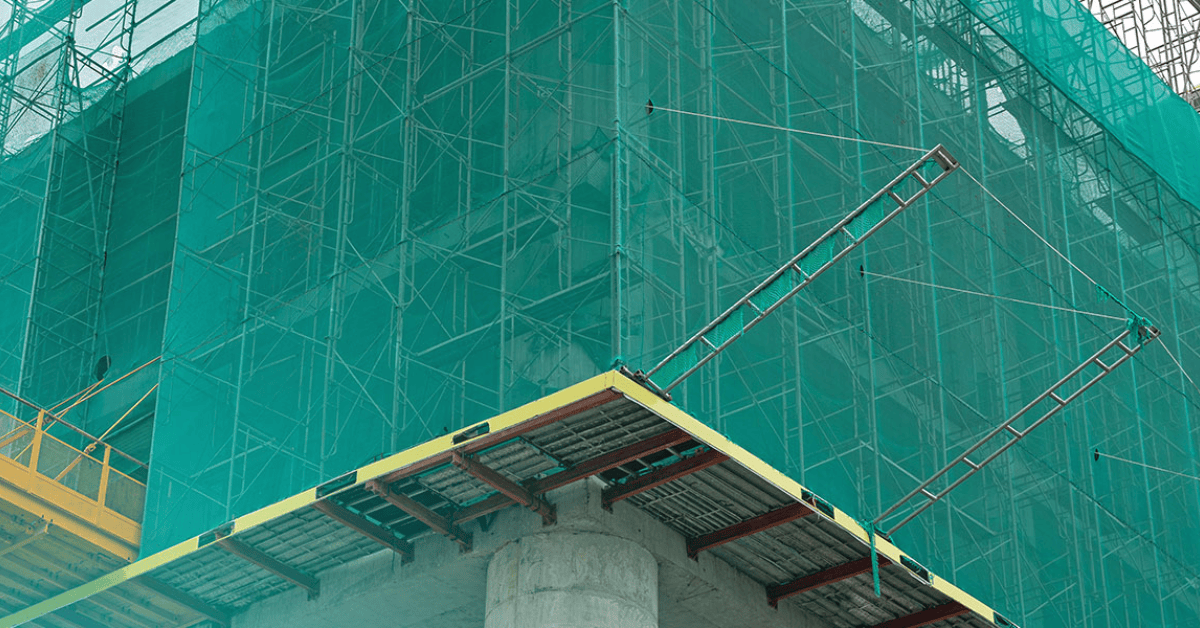
Construction safety netting is a protective barrier made from high-strength synthetic fibers such as polypropylene or nylon. It is installed around construction areas to catch falling debris, tools, or even workers in case of accidental slips. This safety system is commonly used in high-rise buildings, bridges, and industrial construction projects.
Unlike traditional barriers, construction safety netting provides flexibility and wide coverage, making it an ideal solution for various construction environments.
Importance of Construction Safety Netting
Safety is not just a requirement but a responsibility in construction. Construction safety netting helps reduce risks and creates a secure working environment. It acts as a secondary line of defense when other safety measures fail.
One of the key benefits is fall protection. Workers operating at heights are always exposed to potential falls, and safety nets can prevent serious injuries or fatalities. Additionally, it helps in containing debris, which protects people and property below the construction site.
Another important aspect is regulatory compliance. Many safety authorities mandate the use of protective systems like construction safety netting to ensure workplace safety standards are met.
Types of Construction Safety Netting
Different construction projects require different types of netting. Choosing the right type is essential for maximum safety and efficiency.
1. Debris Netting
This type of netting is designed to catch small materials such as dust, tools, and construction waste. It is usually installed on scaffolding and building exteriors.
2. Personnel Safety Nets
These nets are specifically designed to catch workers in case of falls. They are made with high tensile strength materials and are tested for load-bearing capacity.
3. Scaffold Netting
Scaffold netting is attached to scaffolding structures to prevent objects from falling and to provide additional safety for workers.
4. Vertical Safety Netting
This type is installed vertically around the edges of buildings to act as a barrier and prevent falls.
Each type of construction safety netting serves a unique purpose and is selected based on the project requirements.
Materials Used in Safety Netting
The effectiveness of construction safety netting largely depends on the materials used. Most nets are made from durable and weather-resistant materials that can withstand harsh conditions.
Polypropylene is commonly used due to its lightweight and strong properties. Nylon is another popular material known for its elasticity and durability. Some nets are also treated with UV protection to ensure longevity when exposed to sunlight.
High-quality construction safety netting is resistant to wear and tear, ensuring long-term performance even in demanding environments.
Installation Process
Proper installation is critical for the effectiveness of construction safety netting. It must be securely attached to strong anchor points to handle the impact of falling objects or individuals.
The process begins with site assessment to determine the best locations for net placement. Then, the net is fixed using ropes, hooks, or metal fixtures. The tension and alignment are carefully adjusted to ensure maximum coverage and performance.
Regular inspections are also necessary to check for damage or loosened connections. A poorly installed net can compromise safety, so professional installation is highly recommended.
Benefits of Using Construction Safety Netting
There are several advantages to using construction safety netting on job sites:
- Enhanced Worker Safety: It significantly reduces the risk of injuries from falls.
- Debris Containment: Prevents materials from falling outside the site.
- Cost-Effective Solution: Reduces liability and accident-related costs.
- Easy Installation: Flexible and adaptable to different structures.
- Durability: Designed to withstand harsh weather conditions.
By investing in construction safety netting, companies can ensure a safer and more efficient work environment.
Safety Standards and Regulations
Construction safety netting must meet specific safety standards to ensure reliability. Different countries have their own regulations, but most require nets to be tested for strength, durability, and impact resistance.
Regular inspection and maintenance are also part of compliance. Nets should be checked for cuts, wear, or damage and replaced if necessary.
Following these standards not only ensures safety but also helps avoid legal issues and penalties.
Maintenance and Care
To maintain the effectiveness of construction safety netting, proper care is essential. Regular inspections should be conducted to identify any signs of damage.
Cleaning the net helps remove debris and prevents material degradation. Storage is also important; when not in use, nets should be kept in a dry and protected area.
Timely repairs or replacements ensure that the net continues to provide reliable protection throughout the project duration.
Applications in Construction Projects
Construction safety netting is widely used across different types of projects. In high-rise buildings, it is installed around the perimeter to prevent falls and debris accidents. In bridge construction, it provides safety for workers operating at extreme heights.
It is also used in renovation projects, industrial sites, and infrastructure development. Its versatility makes construction safety netting an essential component of modern construction safety systems.
Choosing the Right Safety Netting
Selecting the right construction safety netting depends on several factors, including the type of project, height, load requirements, and environmental conditions.
It is important to choose nets that meet safety standards and are suitable for the specific application. Consulting with safety experts or suppliers can help in making the right decision.
Quality should never be compromised, as the effectiveness of construction safety netting directly impacts worker safety.
Conclusion
Construction safety netting is a vital safety measure that protects workers, equipment, and the surrounding environment. With its ability to prevent falls and contain debris, it plays a crucial role in ensuring safe construction practices.
From high-rise buildings to industrial projects, the use of construction safety netting has become a standard in the industry. By choosing high-quality materials, ensuring proper installation, and maintaining regular inspections, construction companies can create a secure and compliant work environment.
Investing in construction safety netting is not just about meeting regulations—it is about safeguarding lives and promoting a culture of safety on every construction site.