Toilet Bowls Explained: A Friendly Guide to Types, Function, Design, and Trends
When you think of a toilet bowl, your mind probably jumps to a basic bathroom fixture. But in reality, a modern Toilet Bowl reflects decades of engineering, water conservation advances, hygiene design, and even a dash of humour when you consider what it has to deal with on a day‑to‑day basis. This article breaks down everything you need to know about toilet bowls in a clear, readable way that helps you make smarter decisions when choosing, installing, or discussing toilets.
Let’s dive straight in.
What a Toilet Bowl Really Is
At its core, a toilet bowl is a ceramic or porcelain basin designed to collect human waste and deliver it safely into the sewage system with the push of a flush. While it might look simple, there’s more going on under the glaze than you might think. Modern toilets merge plumbing science with environmental responsibility, aiming to balance water efficiency and performance.
A toilet bowl works through a siphonic action, where water flows in with enough force to pull waste through an S‑shaped trap and into the drain. Small holes around the rim help wash the bowl’s surface, and a jet near the bottom kick‑starts that siphon for a complete flush. This design ensures that waste exits efficiently, leaving behind minimal residue and reducing cleaning effort.
Evolution of Toilet Technology
Toilets have evolved from rudimentary drainage fixtures to sophisticated devices with improved hygiene and water usage. Early flush toilets used large amounts of water, sometimes upwards of 20 liters per flush. Today’s systems are far more efficient. Modern sanitation guidelines aim for water usage as low as 3 to 6 liters per flush in many regions, helping conserve water in areas facing scarcity.
Water efficiency has become central in toilet design. For example, technologies such as dual‑flush systems, rimless designs, and strategic jet placements improve cleaning while reducing water use. Many modern toilets now meet water efficiency standards set by reputable environmental programs.
Popular Types of Toilet Bowls
When selecting a toilet bowl, understanding the common types helps you find the best fit for your bathroom and lifestyle:
1. One‑Piece Designs
A one‑piece toilet bowl integrates the tank and bowl into a seamless unit. This reduces crevices where dirt and bacteria can hide, making cleaning easier. Its streamlined silhouette also looks modern and sleek in contemporary bathrooms.
2. Close‑Coupled Toilet Bowls
These feature a separate tank and bowl joined together. They’re versatile and often easier and more cost‑effective to repair because individual parts can be replaced without swapping out the entire toilet.
3. Wall‑Mounted and Floor‑Mounted Options
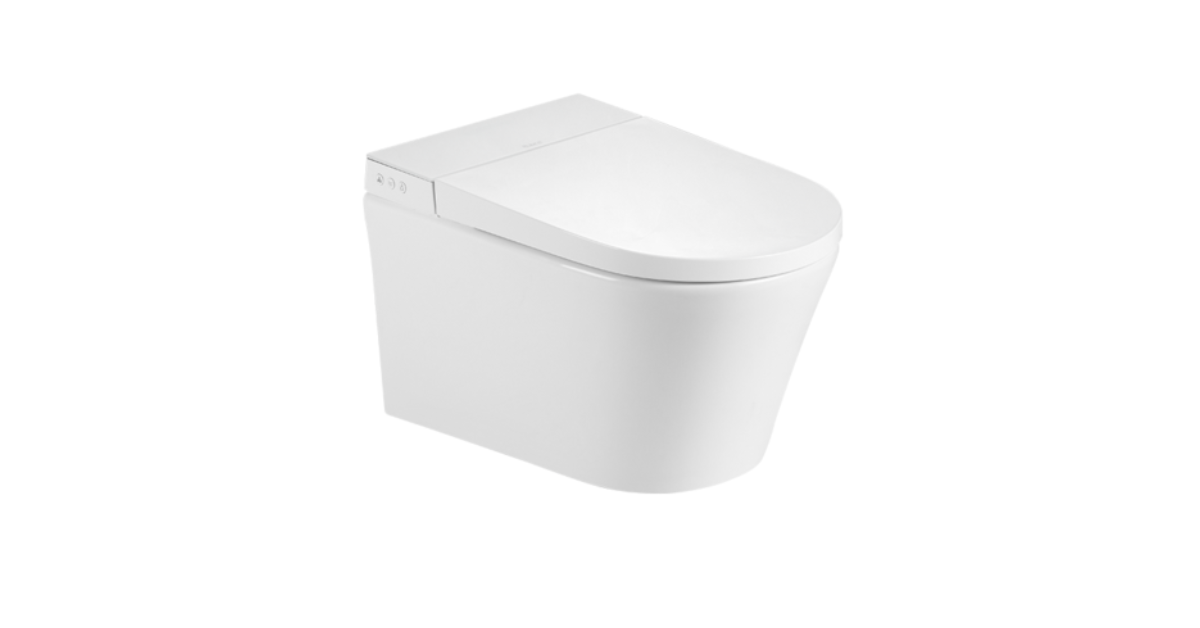
Wall‑mounted bowls save floor space and make cleaning beneath the toilet simpler. Floor‑mounted bowls, meanwhile, offer traditional stability and fit in many classic layouts. Your choice will depend on space, plumbing layout, and aesthetics.
Key Practical Considerations
Flushing Performance
Toilet efficiency isn’t just about saving water; it’s about thorough cleaning. A powerful, well‑designed flush ensures less residue and fewer repeat flushes. Some models use pressure‑assisted flushing, where pressurised air and water blast waste more effectively than simple gravity alone. These systems use less water while boosting performance.
Bowl Shape and Comfort
Round and elongated bowls differ not just in looks but also in comfort. Elongated bowls often offer more seating comfort, particularly for adults, while round bowls suit compact bathrooms. Consider who will use the toilet most when choosing.
Water Consumption and Sustainability
Low‑flow standards such as EPA’s WaterSense identify toilets that use less water without compromising effectiveness. Choosing water‑efficient models cuts utility costs and aligns with global efforts to conserve freshwater.
Installation and Height
Modern toilets come in various heights, including “comfort height” options that make sitting down and standing up easier—especially for tall users, people with mobility concerns, and older adults.
Hygiene and Maintenance
Toilet bowls face a tough job: they handle waste, bacteria, and everyday use. That’s why features that enhance hygiene are growing in importance.
Rimless Bowl Designs
Rimless bowls eliminate the traditional rim where mineral deposits and bacteria can accumulate, making cleaning easier and promoting better sanitation.
Anti‑Microbial Surfaces
Some bowls now include special glazes that resist bacteria and stains, keeping the porcelain surface cleaner between regular maintenance. These coatings also improve longevity and appearance.
Touchless and Smart Features
Smart toilets can include automatic flushing and hygiene functions, reducing contact with surfaces and improving cleanliness. Intelligent systems are emerging that even track health indicators from waste analysis, hinting at a future where your toilet helps monitor hydration and gut health.
Practical Tips for Buyers
Choosing the right toilet bowl can feel overwhelming, but focusing on a few core aspects makes the decision easier:
-
Assess Performance Needs: Think about the typical user and how powerful the flush needs to be. Homes with high usage might benefit from pressure‑assisted models.
-
Check Water Efficiency Standards: Look for certifications or flush rates that indicate compliance with recognized water usage guidelines.
-
Prioritise Hygiene Features: Rimless designs and anti‑microbial glazes make daily upkeep easier.
-
Measure Your Space Carefully: Ensure the bowl and tank (if present) fit without crowding the bathroom.
Trends in Toilet Bowl Design
The bathroom of tomorrow looks smart and sustainable. Designers and manufacturers focus on:
Sustainable Materials and Water Use
Eco‑friendly materials and water retention designs address both environmental concerns and regulatory standards worldwide. Minimalist bowls and dual‑flush combinations help reduce water use without sacrificing efficacy.
Comfort and Aesthetics
Wall‑hung bowls, sleek shapes, and varied finishes help toilets blend seamlessly into modern interiors. The goal is to make the bathroom both functional and visually pleasing.
User‑Centric Tech
From automatic flushing to heated seats and integrated bidets, toilets are becoming more user‑focused. These improvements aren’t just for luxury; many contribute to hygiene and overall wellbeing.
Why It Matters
You might take toilets for granted, but they play a critical role in public health and environmental sustainability. Proper design, sanitation, and efficient water use help reduce disease spread and conserve precious resources. The World Health Organization highlights that well‑designed sanitation systems, including flush toilets, are vital for community health and environmental protection.
Conclusion
Toilet bowls may seem humble, but they represent a fascinating intersection of engineering, hygiene, sustainability, and user comfort. From one‑piece elegance to water‑saving flush systems, today’s toilets offer more choice and performance than ever before.
Choosing the right toilet bowl enhances daily life, saves water, and improves bathroom cleanliness. Whether you renovate your home or upgrade a public space, understanding types, features, and current design trends helps you make smart decisions.
When it comes to toilets, it’s not just about flushing waste—it’s about flushing smarter.
This article uses trusted sources and real industry information to give you a professional, friendly overview of toilet bowls that your readers will find informative and engaging.
Our More Pages
https://medium.com/@rubinesingapore/basin-singapore-a-complete-guide-to-choosing-the-perfect-basin-for-your-space-ac46fb0b9cda
https://medium.com/@rubinesingapore/toilet-bowl-singapore-a-complete-guide-to-choosing-the-right-toilet-for-your-home-832847af7589
https://justpaste.it/j6hfa
https://justpaste.it/mb2r5
https://rubinesingapore.livepositively.com/water-heater-singapore-your-complete-guide-to-choosing-the-best-solution